
Our Solutions
01
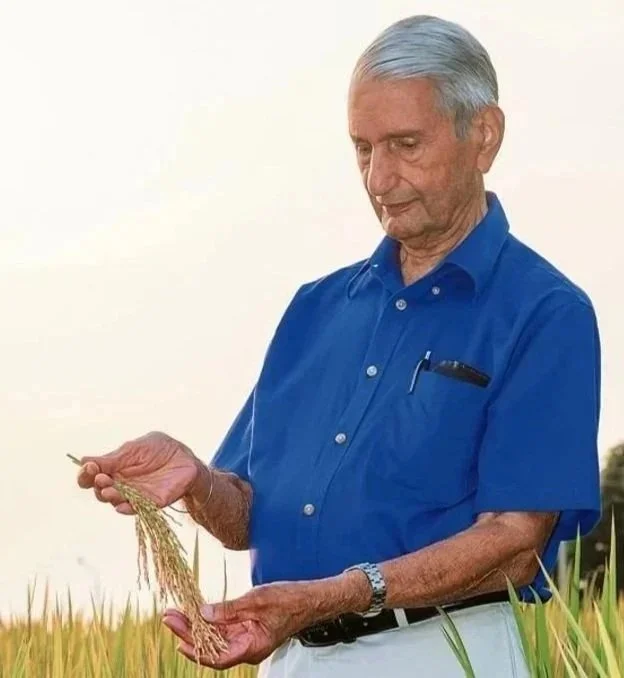
Tremendous progress has been made in the genetics, biotechnology, and crop management research, yet its translation to solve serious agricultural problems needs to be improved, especially in the developing world. Average yields of even major crops remain 3–5 times below today’s potential. We employ cutting-edge translational research and development to solve major agricultural problems around the world with a focus on the developing world.
02
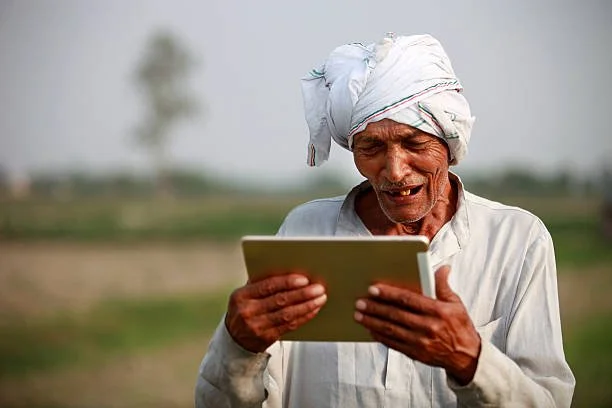
Information technology and AI has enormous potential to provide unbiased information, reduce input costs, reliably solve production problems, and accelerate the adoption of new technologies. Despite the widespread ownership of smartphones, even among the world’s most vulnerable populations, IT has not been effectively harnessed for agricultural improvement. We are determined to change that.
03
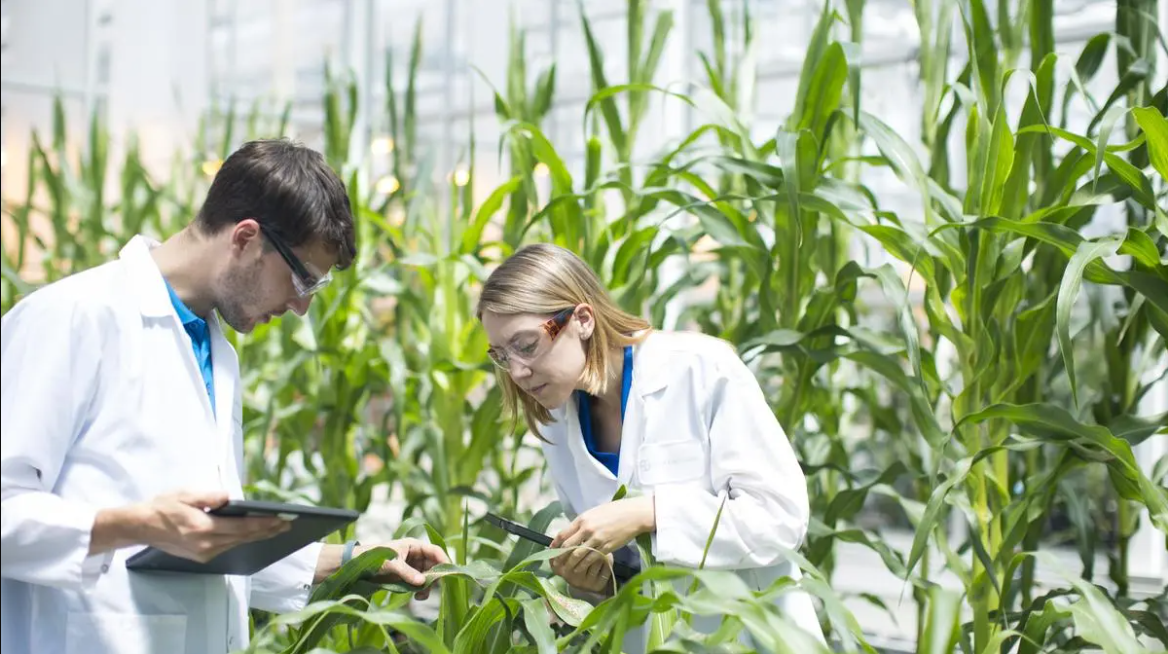
The lack of credible, reliable sources of information, inputs, and advice remains a major bottleneck to the adoption of new technologies. We are poised to remove it.
04
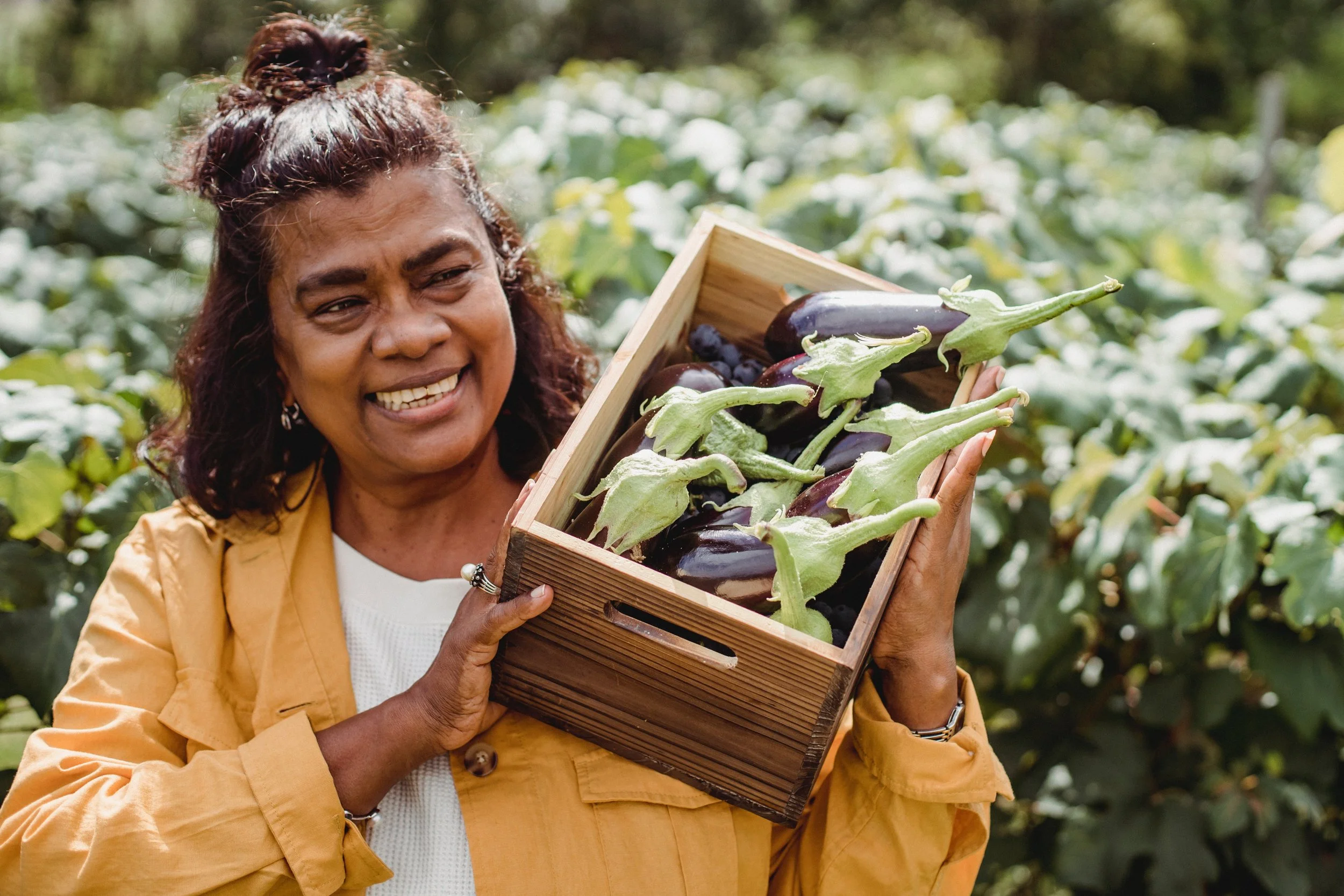
Crop diversification is essential to addressing the major problems that currently confront agriculture, especially high-intensity systems in the developing world. Systematic analysis shows that only targeted, location-specific research and development grounded in cutting-edge science can make this a reality.