
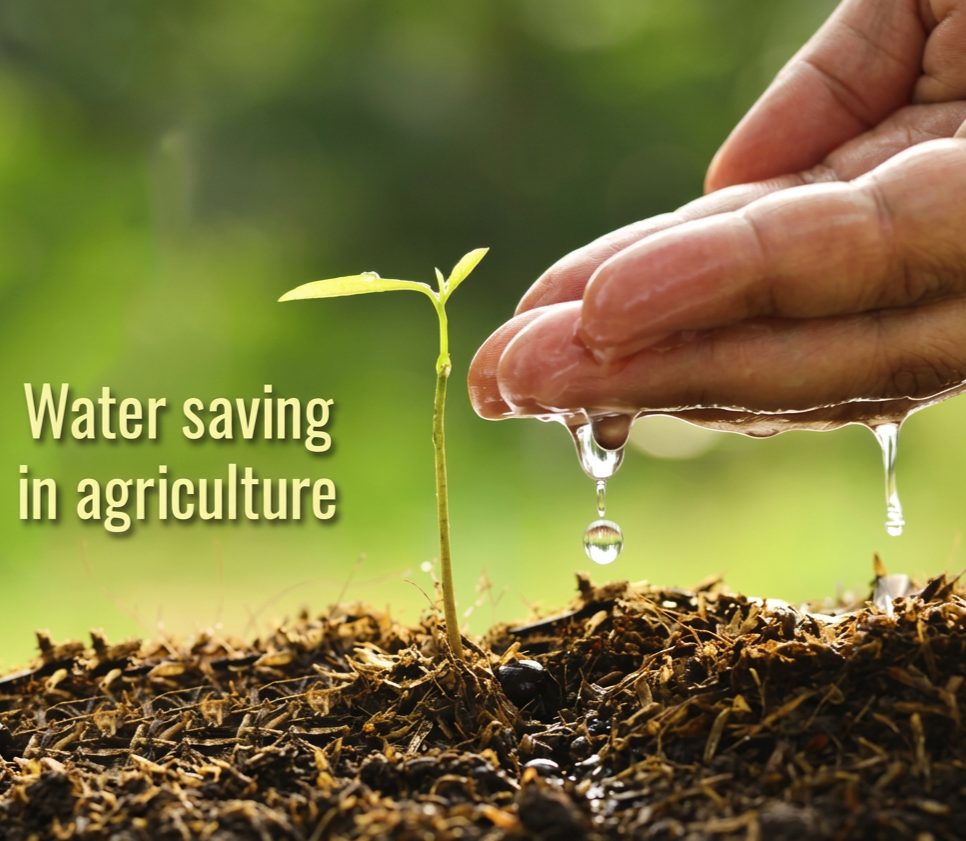
Agriculture accounts for most of global freshwater withdrawals, with intensive groundwater pumping for irrigation driving widespread aquifer depletion. This threatens long-term water security, food production, and ecosystems. Traditional agronomic or infrastructural solutions help, but a fundamental, scalable approach is to redesign crops themselves so they require substantially less irrigation water while maintaining or improving yield and quality. Drought tolerance and water-use efficiency (WUE) are complex, multigenic traits controlled by molecular networks involving stomatal regulation, root system architecture, osmotic adjustment, antioxidant defense, and hormonal (especially ABA) signaling.
We are focused on developing crops that yield equal or higher with 20 to 30% less water than what is currently applied. This will be developed using the most cutting-edge information, technology and deployment strategies.